The first flight with a baby feels like a logistics exam. It is easier than it looks once you know the rules on lap infants, car seats, strollers and security, and pack for the three things that go wrong on every flight: hunger, ear pressure and a blowout. This checklist covers children under three from booking to landing.
Lap infant or a seat of their own?
Children under two may fly on a parent's lap. On US domestic flights lap infants are free (some airlines charge only taxes); on international flights they cost about 10 percent of the adult fare plus taxes. One lap infant per adult is the limit. The child must be under two on the date of each flight — a return trip after a second birthday requires a seat for that leg.
The FAA and every pediatric body recommend a separate seat with an approved car seat for infants, because a lap-held child cannot be restrained in turbulence. It costs a full fare (child discounts are rare on US airlines) but gives you a free arm and a familiar sleep spot. Many families compromise: lap infant on short flights, a seat on anything over three hours. When you book with us, choose 'Infant (on lap)' or 'Child' in the traveler picker accordingly.
Car seats and strollers
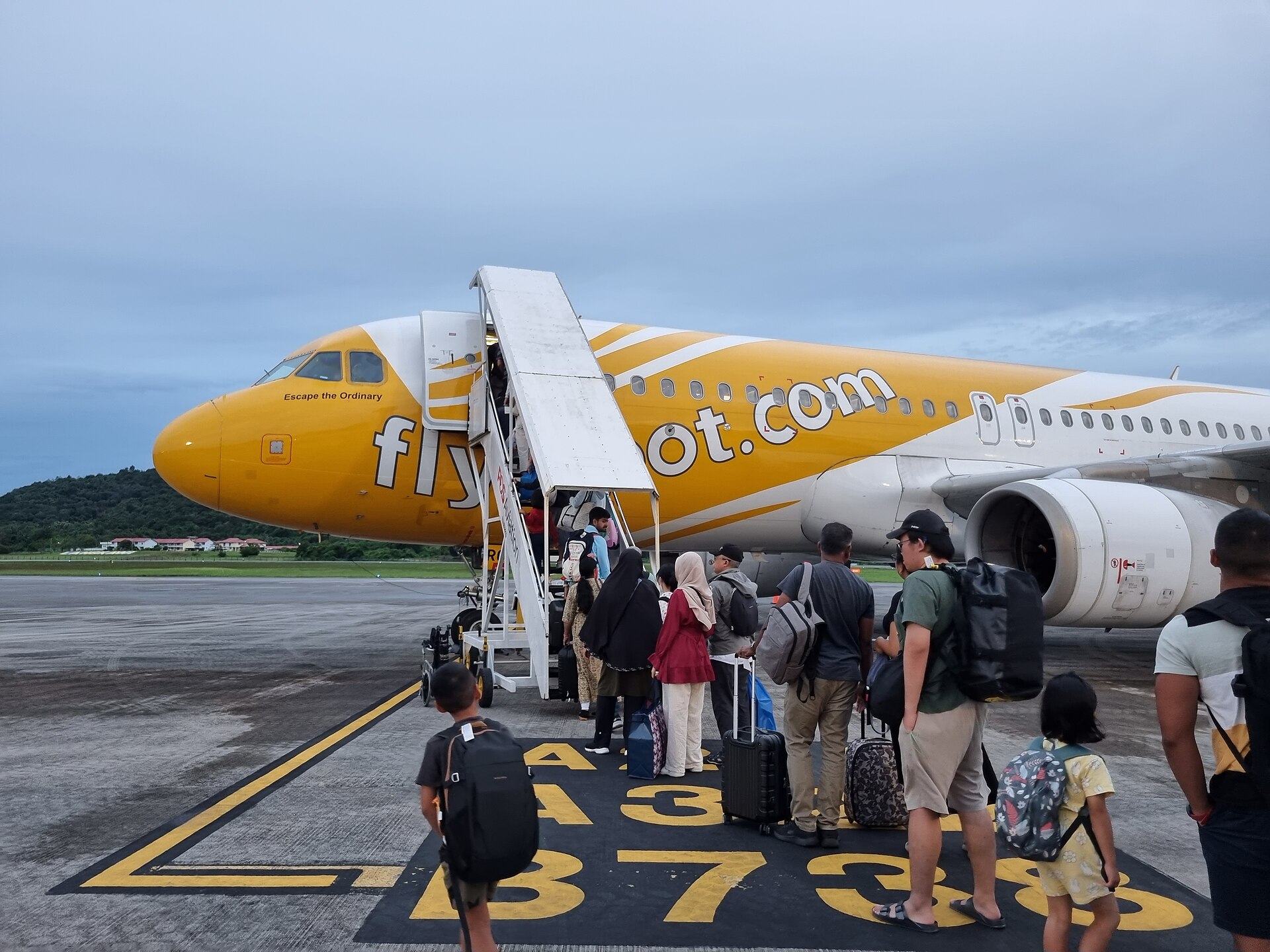
All US airlines let you check a car seat and a stroller free of charge, either at the counter or at the gate. Gate-checking the stroller means you can use it through the terminal and pick it up at the aircraft door on arrival. A car seat labeled 'certified for use in motor vehicles and aircraft' can be used on board in a purchased seat (not in an exit row, and generally at a window). Booster seats are not approved for use in flight.
Documents
What you need depends on where you fly and whether both parents are traveling.
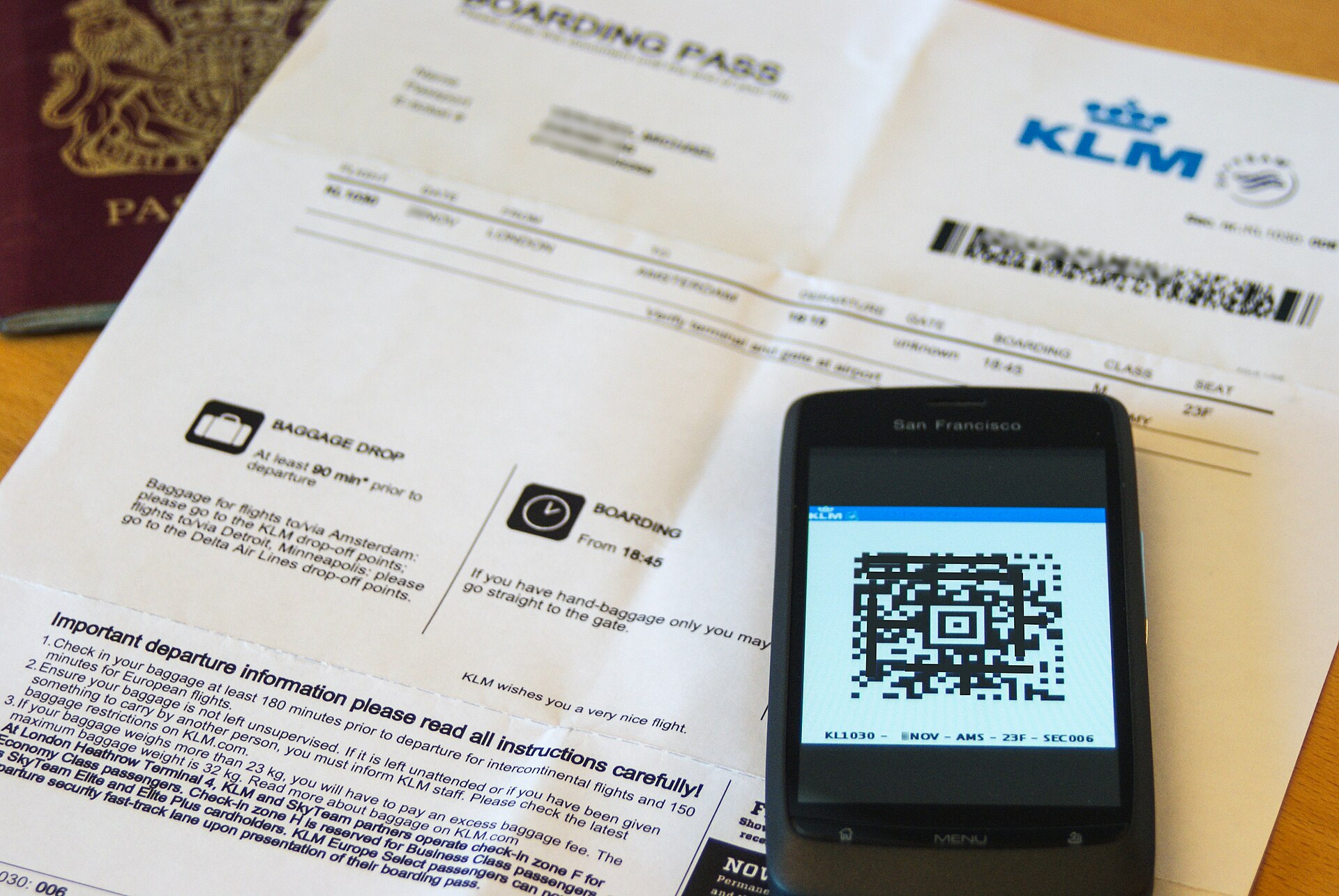
- Domestic: airlines may ask for proof of age for a lap infant — carry a birth certificate copy or passport
- International: every child needs their own passport; Mexico, Canada and many countries also ask for a notarized consent letter when one parent travels alone with the child
- Add the infant to the booking before travel — airlines need the record for weight and balance and for oxygen mask counts (limited lap infants per row)
- Bring a pediatric insurance card and a copy of immunization records for international trips
Airport security with a baby
TSA allows formula, breast milk, juice and baby food in quantities over 3.4 ounces; declare them at the checkpoint and expect a separate screening. Ice packs and cooling accessories for milk are permitted. Strollers and car seats go through the X-ray or are inspected by hand. Babies can stay in a carrier through the metal detector at the officer's discretion. TSA PreCheck members can bring children 12 and under through the PreCheck lane.
Choosing flights and seats
Book flights that align with nap times, and consider a red-eye only if your child sleeps well in a carrier or seat. Request a bulkhead row with a bassinet on long-haul international flights — most airlines offer them free for infants under about 25 pounds, but they must be reserved by phone. Otherwise choose a window and aisle in the same row (the middle often stays empty on lighter flights, and if not, the occupant will swap). Board early to install a car seat, or board last with a lap infant to minimize time on the plane.
Ears, feeding and the diaper bag
Pressure changes hurt small ears during descent more than takeoff. Feeding, a pacifier or a bottle during the final 30 minutes helps.
- Diapers for double the flight time, wipes, two changes of clothes (one for you), zip bags for soiled items
- Formula pre-measured in a dispenser plus bottled water (ask the crew for warm water)
- Snacks that take time to eat: puffs, pouches, crackers
- A few new small toys and a downloaded show for toddlers
- A lightweight blanket and a muslin for cover, spills and shade
- Children's acetaminophen or ibuprofen dosed for their weight, plus saline drops for a stuffy nose
On arrival
Rental car companies rent car seats but quality varies; many families bring their own (it flies free). For international arrivals, families with infants can usually use the shorter 'families' lanes at immigration. Give everyone a slow first day — jet lag hits toddlers hardest on day two.
Frequently asked questions
Do babies fly free?
On US domestic flights, children under two on a parent's lap fly free (some carriers collect taxes). On international flights lap infants typically cost 10% of the adult fare plus taxes. A child in their own seat pays a full fare.
Can I bring breast milk or formula through security?
Yes. TSA exempts breast milk, formula and baby food from the 3.4-ounce liquid limit in reasonable quantities. Tell the officer at the start of screening; the containers may be tested separately.
Does my baby need a passport for Mexico or the Caribbean?
Yes — every traveler, including infants, needs a valid passport for international flights. Passport processing for children requires both parents' consent, so apply at least 8–10 weeks before travel.
Written by Air1 Tickets Editorial Team. First published ; fees, rules and prices verified as of the update date above. Airline policies change: always confirm the fare rules shown at checkout for your specific ticket.