More than half of Americans have never flown outside the country, and the first trip raises a hundred small questions: does my passport need six months' validity, will my phone work, do I need cash, what happens at customs? This checklist walks through everything in order, from three months before departure to the day you get home.
Three months out: passport and entry requirements
Apply for or renew your passport first — routine processing takes four to six weeks and expedited two to three, plus mailing time. Many countries require validity of six months beyond your arrival or departure date, and airlines enforce it at check-in, so renew anything expiring within nine months of your trip. Every traveler, including infants, needs their own passport book; the passport card works only for land and sea travel to Canada, Mexico and the Caribbean.
Then check the entry rules for your destination on the State Department's country pages. US citizens visit most of Europe, Japan, Mexico and the Caribbean without a visa, but pre-registration is spreading: the UK requires an Electronic Travel Authorisation (ETA) since January 2025, Australia and New Zealand require ETAs, Canada does not for Americans, and the EU's ETIAS system is expected to begin — check its official site before any Schengen trip. India, China, Vietnam, Brazil and others require visas or e-visas that take days to weeks.
Two months out: bookings, insurance and health
Book flights in the two-to-six-month window for the best fares, and pay with a card that has no foreign transaction fee and includes trip-delay or cancellation protection. Consider travel insurance — our checkout offers plans that cover medical care abroad, which US health insurance and Medicare usually do not. Check the CDC's destination page for recommended vaccines; some, like yellow fever for parts of South America and Africa, require an appointment weeks ahead. Enroll in the State Department's free STEP program so the embassy can reach you in an emergency.
One month out: money and phones
Two things trip up first-time travelers more than anything else: card declines and phone bills.
- Tell your bank the travel dates (or set a travel notice in the app) and confirm your card has no foreign transaction fee
- Carry two cards from different networks and a small amount of local currency from an ATM on arrival — airport exchange counters charge 5–10%
- Always choose to pay in the local currency when a terminal offers dollars; 'dynamic currency conversion' costs 3–7%
- Phones: most US carriers sell international day passes ($10–$12/day); an eSIM from Airalo or the destination carrier is far cheaper for a week or more
- Download offline maps, your airline app, a translation app and your booking confirmations before you leave
- Check whether you need a plug adapter (Type G for the UK, Type C/F for most of Europe) and whether devices support 220–240 volts (phones and laptops do; most hair dryers do not)
One week out: documents and packing
Photograph your passport, driver's license, cards and confirmations and store them in a cloud folder; leave copies with someone at home. Print or save the address of your first hotel — immigration forms and ride-hail apps ask for it. Complete any required arrival forms online (Aruba's ED card, the Dominican e-ticket, Jamaica's C5, Visit Japan Web, Thailand's digital arrival card). Pack medications in original containers with a copy of the prescription, and check that none are restricted at your destination (some common US decongestants and ADHD medications are controlled in Japan and the UAE).
Departure day
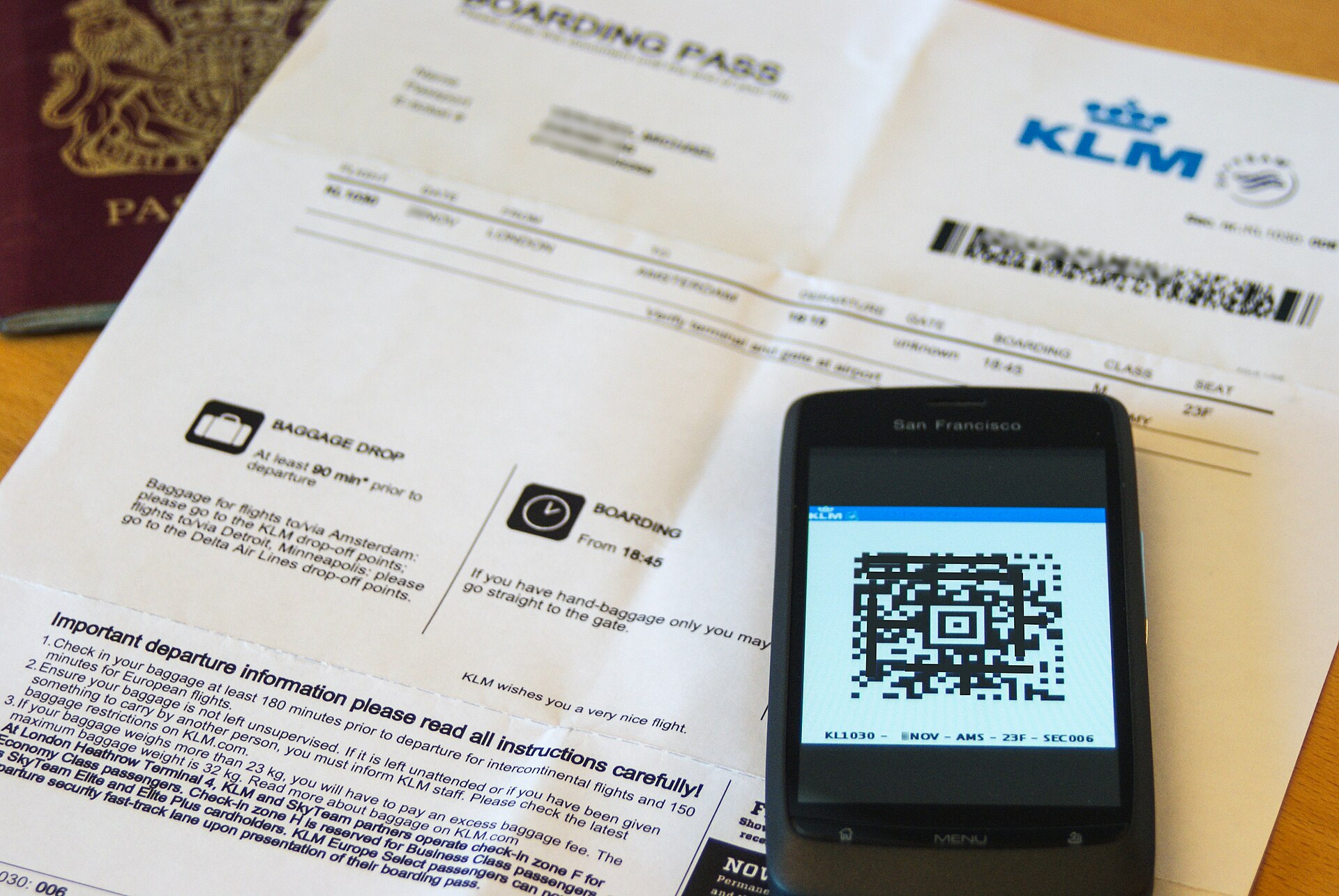
Arrive three hours before an international flight — check-in closes 60 minutes before departure on most airlines, and passport checks slow the bag drop. Bring a REAL ID or passport for TSA. On the plane, fill in any paper arrival card the crew hands out, keep a pen in your bag, and set your watch to destination time.
Arrival: immigration, customs and getting into town
Follow signs for arrivals/immigration, join the 'all passports' or 'visitors' lane, and have your passport, any ETA or visa confirmation and your first-night address ready. Collect bags, then pass through customs — 'nothing to declare' unless you carry goods over the duty-free limit, food, plants or large sums of cash. Use ATMs inside the terminal for local currency, then take the transport you researched: rail links (London, Paris, Tokyo, Amsterdam) are usually the fastest and cheapest; official taxi ranks or prebooked transfers beat touts in the arrivals hall.
Coming home
Returning US citizens can use the free Mobile Passport Control (MPC) app at most major airports to skip the paper form and often the line; Global Entry members use the kiosks or facial-recognition portals. You can bring back up to $800 of goods duty-free (including one liter of alcohol and 200 cigarettes for adults), and you must declare all food and agricultural products. If you connect onward in the US, you will collect and re-check your bags after customs — allow at least two hours for that connection.
Frequently asked questions
Does my passport need to be valid for six months?
Many countries require it — including most of Asia and the Middle East and, in practice, the Schengen area (three months beyond departure). Airlines enforce these rules at check-in, so renew anything expiring within nine months of travel.
Do I need travel insurance for an international trip?
It is strongly recommended. Most US health plans and Medicare do not cover medical care abroad, and evacuation can cost tens of thousands of dollars. Plans offered at checkout typically include medical, evacuation, cancellation and baggage coverage.
Will my US phone work abroad?
Yes with an international plan or eSIM. Carrier day passes cost about $10–$12 per day; an eSIM for the destination country usually costs $10–$30 for a week or more of data. Turn off data roaming until you have a plan to avoid surprise charges.
Written by Air1 Tickets Editorial Team. First published ; fees, rules and prices verified as of the update date above. Airline policies change: always confirm the fare rules shown at checkout for your specific ticket.